
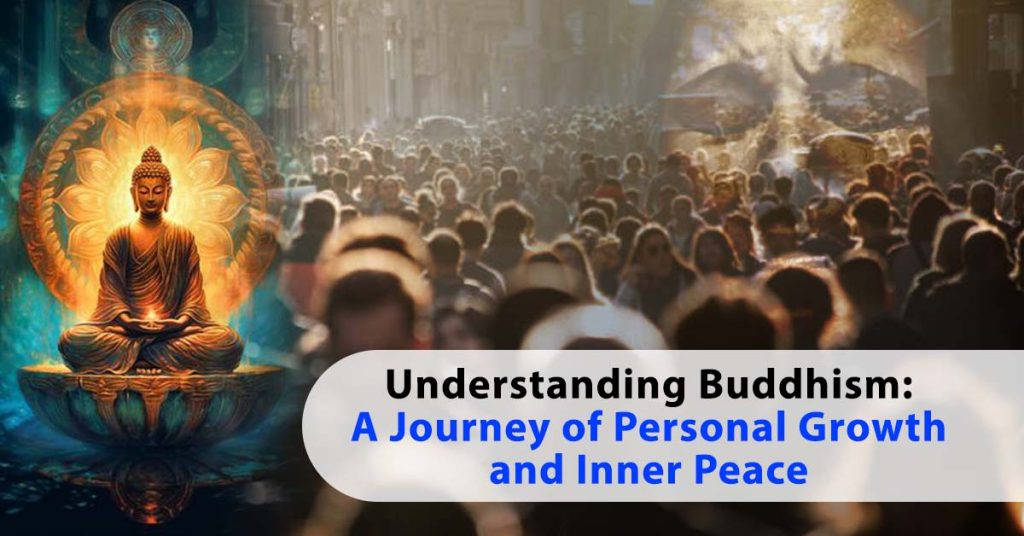
Imagine a spiritual path that doesn’t ask you to worship a god but instead invites you to understand yourself and the world around you. That’s Buddhism in a nutshell.
The Story Behind Buddhism
Born in ancient India around 2,500 years ago, Buddhism began with a prince named Siddhartha Gautama. After witnessing human suffering, Buddha embarked on a profound spiritual quest. Buddha discovered a revolutionary approach to understanding life: that suffering is universal, but it can be overcome through personal insight and practice.
What Makes Buddhism Different?
Unlike many religions, Buddhism isn’t about blind faith. It’s more like a practical guide to living a meaningful life. Think of it as a combination of philosophy, psychology, and spiritual practice.
The Core Message: Understanding Suffering
Buddhism teaches that:
– Pain and dissatisfaction are part of human experience
– These feelings come from our attachments and misunderstandings
– We can transform our experience by changing how we think and perceive
Practical Wisdom for Everyday Life
Buddhism offers simple yet powerful tools:
– Meditation to calm your mind
– Mindfulness to stay present
– Compassion towards yourself and others
– Ethical living based on understanding, not rigid rules
Key Practices
– Regular meditation
– Self-reflection
– Treating others with kindness
– Accepting life’s constant changes
The Ultimate Goal: Inner Peace
Buddhism isn’t about escaping the world but about engaging with it more wisely. The aim is to reduce suffering—not just for yourself, but for everyone around you.
Modern Relevance
In today’s stress-filled world, Buddhist principles offer a refreshing perspective on handling life’s challenges. It’s less about religious doctrine and more about practical wisdom for personal growth.
Whether you’re seeking stress relief, deeper self-understanding, or a more compassionate way of living, Buddhism offers a time-tested path of personal transformation.
@ Buddhika Prasanna