
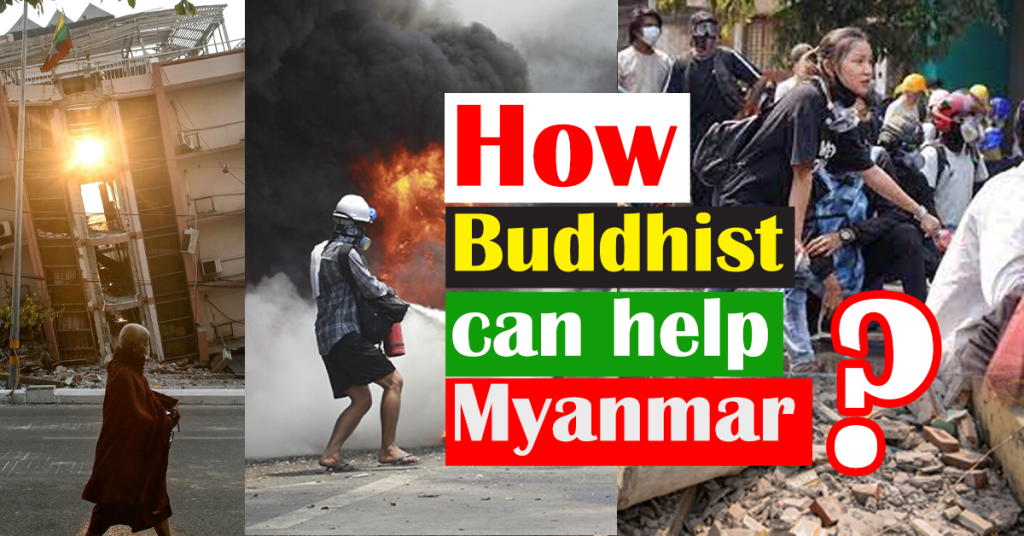
Myanmar, adorned with numerous golden stupas that shine while commemorating the qualities of the true Dharma, was suddenly struck by a severe earthquake on March 28, 2025. This powerful earthquake, measuring 7.7 on the Richter scale, reduced beautiful pagodas or stupas that spread a golden radiance in the sunlight to rubble. “Burma,” as this country was known in the past, has a population that is 88% Buddhist.
In this Buddhist kingdom, monks were crushed under collapsing temples, children who were blooming like flowers and smiling in classrooms were buried alive, thousands of people were trapped in the debris suffering in pain, and more than 2,000 lives were instantly lost as this devastating earthquake, equivalent to the power of 334 nuclear bombs, shook the entire world.
A Profound Warning About Truth
This tragic earthquake is not merely a natural disaster; it is a profound warning directed at Myanmar’s state structure based on Buddhist heritage. This earthquake carries a deep message witnessed by the earth itself. It is a clear statement from the earth itself that atrocities, oppression, and violence can no longer be tolerated.
As the cities of Mandalay, Sagaing, and Naypyitaw were covered in dark clouds of dust and cries of suffering spread throughout the world, all nations came forward to help Myanmar. China has donated $14 million in aid, while Thailand has dispatched rescue teams. The European Union and Australia have also contributed additional millions in aid.
Oppression Continues Even After the Earthquake
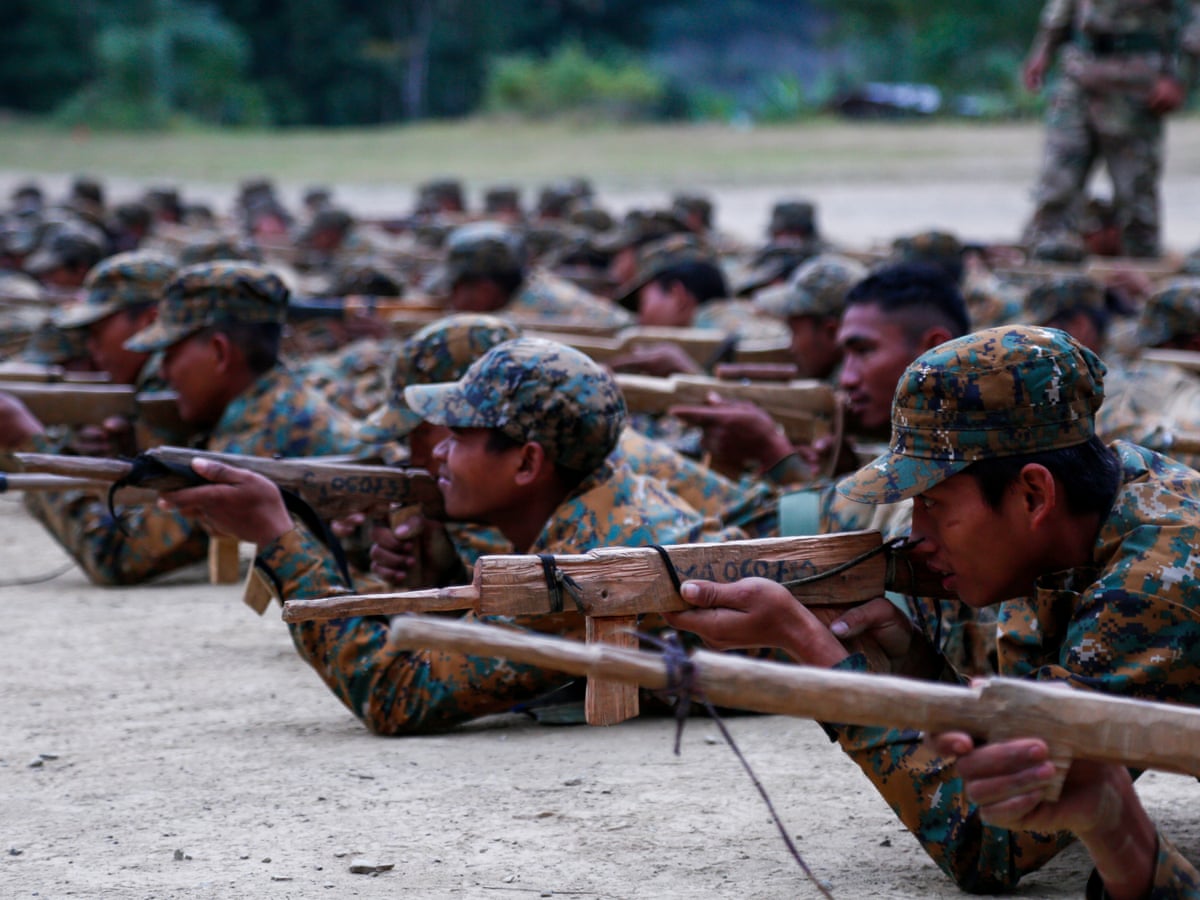
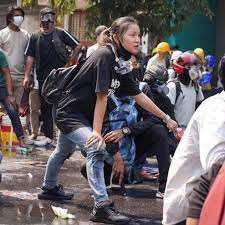
Even while the world’s attention was focused on Myanmar severely affected by the earthquake, just two days after this tragedy, on March 30, the Myanmar military launched an airstrike on civilian settlements near a Karen National Organization camp in Karen State. According to the Free Burma Rangers organization, at least ten civilians were killed in that attack. Karen State (also known as Kayin State) also has Buddhism as the main religion, with Buddhists comprising the majority.
Who could be so inhumane as to kill people who speak up for democracy while the earthquake’s rumble in their motherland had not yet faded, while people were still trapped in the rubble struggling for life, and while people were shedding tears of blood searching for the bodies of their dead relatives? This has been done by the Myanmar military junta regime, which seized power claiming to protect Buddhism where compassion and kindness should flow abundantly and loving-kindness should be cultivated for all beings, but has forgotten the true Dharma of the Buddha, moving from light to darkness.
The Military Junta’s Power Greed
According to Buddhist philosophy, suffering and calamities arise due to greed, hatred, and delusion, the three unwholesome roots. The military junta, having once tasted the pleasure of power, has been unable to relinquish it. The reluctance to give up personal luxurious lifestyles, privileges, and power is their fundamental problem.
While the entire world mourned with Myanmar’s earthquake disaster, what fell upon the pro-democracy fighters in Karen State was not only bombs but also the unlimited power hunger and furious hatred of the military junta. According to the Assistance Association for Political Prisoners (AAPP), more than 5,700 Myanmar civilians and monks have died since the 2021 coup. In a single airstrike in April 2023, 100 people were killed, including 35 children. This is not protection of Buddhism but a shameful betrayal for the sake of power greed.
The Destruction to a Buddhist Country
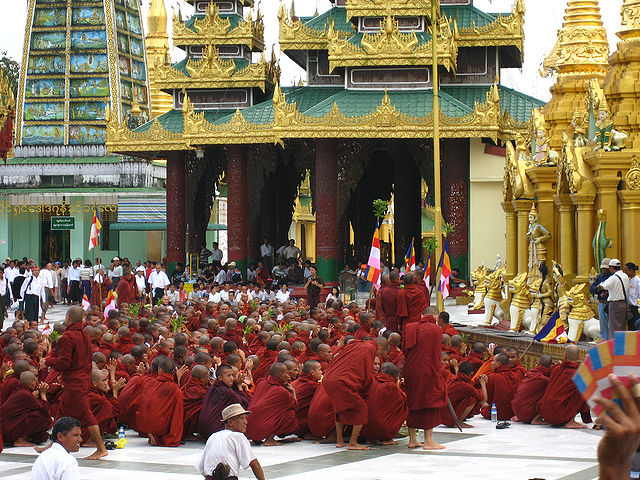
Myanmar’s soul is Buddhist. For centuries, its kings worked hand in hand with monks to build and maintain empires. State political power and the country’s spiritual faith coexisted in harmony. Even today, the Sangha holds the first place in the hearts and minds of the people.
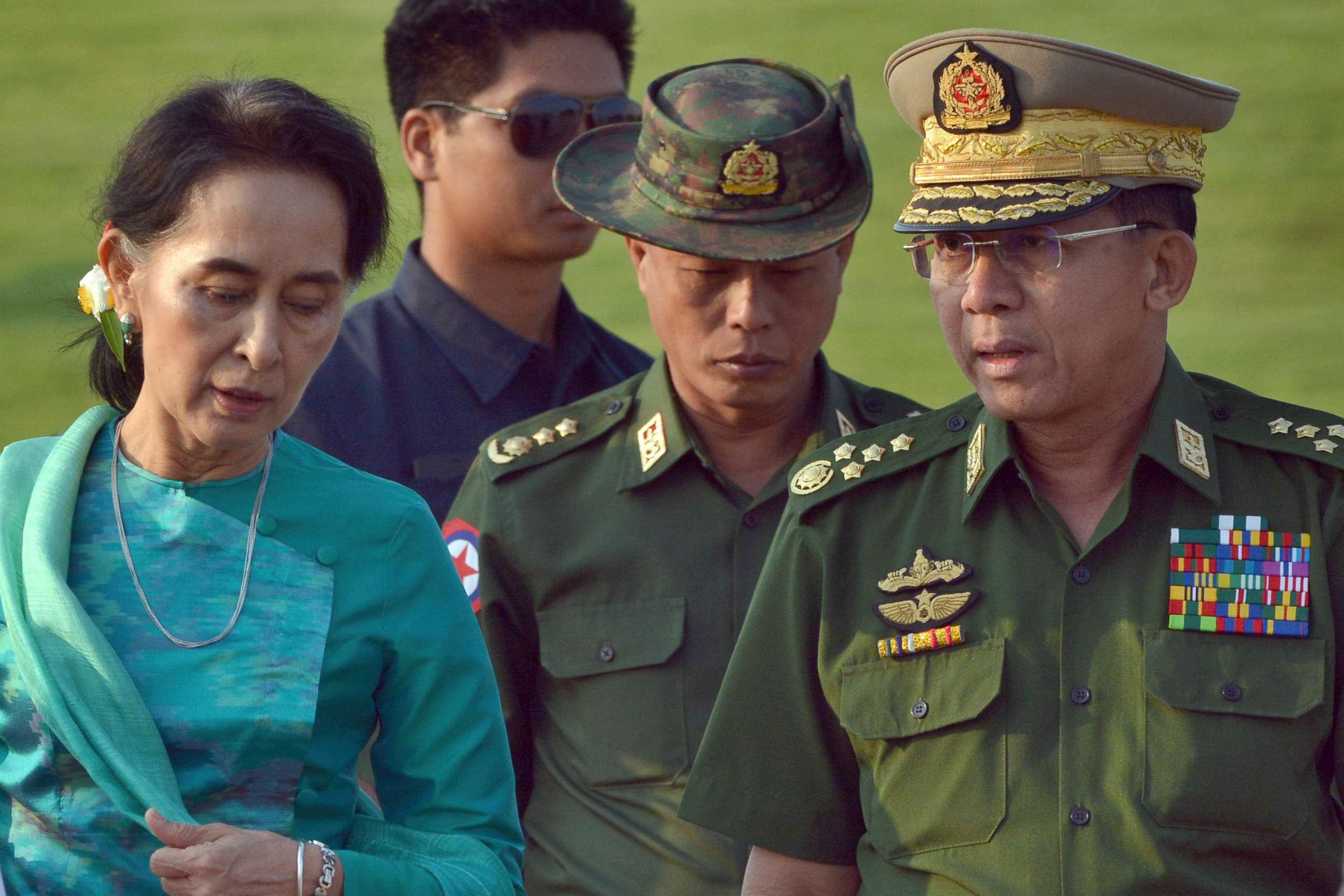
However, the current situation is completely different. After the 2021 coup, the junta led by Min Aung Hlaing claims to protect Buddhism. They honor nationalist monks like Ashin Wirathu. Through this, they politically abuse Buddhism. They crush, oppress, and kill all other laypeople and monastics who are brave enough to speak about democracy.
During the 2007 Saffron Revolution, monks led protests against military rule, and hundreds of monks were beaten, arrested, or killed. Since 2021 until today, at least 16 monks who opposed the regime have died. Among these incidents, in June 2023, an airstrike completely destroyed a monastery, resulting in the massacre of the Sangha.
Why is Myanmar’s Sangha, who are ruthlessly persecuted by their own people, also being subjected to merciless suffering by nature? The earthquake took the lives of 200 monks in Mandalay alone. Their yellow robes were buried under the rubble of U Hla Thein monastery.
Prophecies Coming True
The earthquake was felt most strongly in Myanmar’s capital, Naypyidaw. The military’s “royal palace” (or junta headquarters) in Naypyidaw, the new capital built by the military junta in 2005, was particularly severely damaged. Naypyidaw means “royal abode”; it is a city constructed at the cost of billions as a paradise for military generals.
More symbolically, numerous sacred Buddhist pagodas (bell-shaped Buddhist temples) in Myanmar were severely cracked. The damage to these historic buildings, which symbolize the connection between power and Buddhism, spread the feeling among the people that “prophecies are coming true.” One user on X social media noted: “The earth struck at the generals’ hearts – nature is saying ‘Enough!'”
Natural disasters like earthquakes are considered omens in Myanmar. Despite being bitter and painful experiences, they are believed to predict that change is coming. Many Burmese Buddhists believe that frequent earthquakes indicate the end of an unjust regime. Even though about 84,537 people died in Cyclone Nargis in 2008, people secretly talked about the military regime’s end being near.
General Ne Win, who seized power in 1962, had a strong belief in astrology. Because of this belief, he suddenly devalued the currency in 1987, pushing millions of people into poverty.
In 2023, when Cyclone Mocha was approaching, Min Aung Hlaing was hosting a ceremony at a temple and showed no concern for the impending destruction. On March 28, 2025, just hours before the earthquake struck, he was holding an air show in Naypyidaw.
The tragedies that occurred in Myanmar over the past years without the world’s attention are as deep as an abyss. The shameless airstrike carried out just two days after the earthquake, while the whole world was watching, perfectly reflects how brutal and inhumane military rule can be when there is less global attention. However, at this moment when the world’s attention is focused on Myanmar, Myanmar society has an opportunity to share their suffering and pain with the world. That suffering and pain are more than just the damage caused by the earthquake – they are the bitter experiences of living under military junta rule for years without democracy.

Buddhist Nations Should Take the Lead
While various nations around the world extended the hand of human compassion, Chinese rescue teams rescued a pregnant mother from the rubble in Mandalay on March 31. India, Thailand, and Singapore quickly rushed in with aid. The United Nations called for “unhindered aid delivery” and a ceasefire, while the World Health Organization warned about hospital destruction. Three hospitals have already been completely destroyed, and 22 more have been damaged. However, people in the region report through social media that 80% of the city has been reduced to rubble.
The military junta prevents aid from reaching areas where rebels are present. Human rights organizations like Altsean-Burma warn that “the junta uses aid as a weapon.” The truth of this is clear as shown by Myanmar’s history of military rule. Between 1988 and 2007, between 3,000 and 10,000 civilians and monastics died in repressive operations conducted by the military regime.
Countries with Buddhist foundations like India, Sri Lanka, Thailand, Bhutan, Japan, etc., should take the lead in playing a special role that even nature is loudly demanding at such a time. Myanmar is not just a neighboring country, but a brother country with religious and cultural ties. These countries, founded on compassion and non-violence, have a duty to do more than just send food packets. They should try to bring Myanmar back to the path of democracy.
Why? The military rule not only kills ordinary people but also destroys the true meaning of Buddhism they claim to protect. Thailand, which already has monks mediating for peace in Myanmar, can take Asian leadership in pressuring for a ceasefire at this moment. Theravada Buddhist Sri Lanka has the ability to pressure internationally for a democratic free Myanmar. If these countries work together, they can help free Myanmar from the grip of the military junta and help reestablish democracy.
Democracy is Myanmar’s True Buddhist Path
If Myanmar truly intends to protect Buddhism, what they need is public opinion, not tanks. Democracy undoubtedly aligns with Buddhism’s fundamental teachings of freedom, compassion, and justice. Under military rule, thousands have died and been injured, and this violent path brings only suffering.
All 135 ethnic groups in the country, from Burmans to Rohingya, can live peacefully only under true democracy. Currently, the National Unity Government, established by exiled parliamentarians with the support of millions of people, stands for this struggle. Nature has loudly proclaimed that we should not just leave it to them but should also offer our support.
Buddhist countries should step forward at this moment. Not just to provide aid, but to emphasize with a united voice that military rule must end. The world is ready to help with this. This is not just a disaster, but a critical turning point. Whether Myanmar moves toward democratic light or sinks into darkness will be determined by our actions.
This warning is not limited to Myanmar. Other Buddhist countries should also be vigilant about this. Failing to help Myanmar could be a threat to the hope for a better tomorrow in your country, your city, your home. Because we do not have the capacity to test nature’s patience. Therefore, we must act quickly.
Responsibilities of Buddhist Countries
Politically more stable Buddhist countries like India, Sri Lanka, Thailand, and Japan should pay special attention to the situation developing in Myanmar. These countries should show their people the deep connection between the principles of Buddhism and democratic ideals.
In particular, the Theravada Maha Sangha in countries like Sri Lanka and Thailand should take the lead in establishing relations and discussing with Myanmar’s Sangha. This will help enhance the spiritual leadership of Myanmar’s monks and clarify the true meaning of Buddhism.
Disaster Should Not Be a Political Ploy
The provision and distribution of aid after the earthquake should be done properly. According to international organizations, the military junta tries to consolidate power through aid management and prevents relief from reaching oppressed areas.
When carrying out post-disaster rehabilitation work, aid should not be directed only to major supporters but should be fairly provided to all national and religious groups. It is clear that politicizing disaster aid creates more severe social inequalities and crises.

The True Message of Buddhism
The Myanmar earthquake should be an opportunity to rediscover the country’s true Buddhist identity. Buddhism never approves of violence, atrocities, or oppression. To protect the principles of non-violence, compassion, and loving-kindness preached by Gautama Buddha, democratic governance must be established throughout Myanmar.
When reconstructing temples and religious sites destroyed by the earthquake, the people of Myanmar should move forward re-emphasizing the basic teachings of Buddhism: truth, compassion, understanding, loving-kindness, and wisdom.
Global Support for Democracy
Myanmar’s challenge affects the entire world. This is not just one country’s democratic struggle but part of the global fight for human freedom. At this moment when the world’s attention is focused after the earthquake, the international community should support the establishment of democracy in Myanmar.
The United Nations, ASEAN, and other international organizations should work together with democratic forces in Myanmar and take a firm stance against military rule. International political and economic sanctions should be directed only at the military junta and should not adversely affect ordinary people.
The lesson the Myanmar earthquake teaches all of us is clear. Regimes that are not in harmony with the connection between nature and our daily lives are not sustainable. Through collective action to restore freedom and democracy in Myanmar, let us gain the ability to open a new path of compassion and justice.
The Buddhist world together should ensure that Myanmar’s current disaster is transformed into a new opportunity for that country and the entire region. The deepest message of the earthquake is that truth, which sinks in the face of violence and oppression, cannot be buried under sand forever. That the principles of truth, compassion, and freedom remain immovable no matter how much effort is made. That they will eventually emerge.
H. Buddhika Prasanna